Why We Call Them ‘Mother’

Why We Call Them ‘Mother’

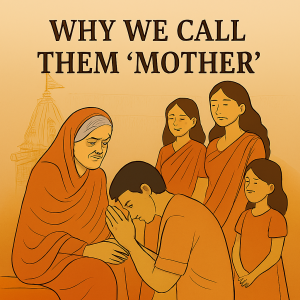
In Vedic culture, every woman—except one’s own wife—is to be addressed with reverence as “Mother.” This article explores scriptural mandates from Śruti, Smṛti, and Purāṇas, showing how terms like Mātā, Bhaginī, and Putrī reflect a mood of motherhood. Śrīla Prabhupāda upheld this etiquette, using “Mother” as a spiritual safeguard, while occasional linguistic adjustments were strategic, not normative. The article cautions against imitating the Mahā-bhāgavata and emphasizes adherence to Vedic grammar and Varṇāśrama principles to preserve Vaiṣṇava purity and protect spiritual dignity.
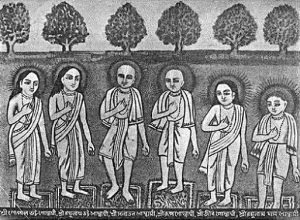
The Six Goswamis of Vrindavan

Hari-bhakti-vilāsa 15.442 with Dig-darśinī-ṭīkā

TRANSLATION: "The Holy Name of the Lord that one has received personally (through dikṣā) should be chanted by putting it in fourth case (caturthi vibhakti), prefixed by oṁ (praṇava), and suffixed by namaḥ. The mantra that is thus formed should be used by all the dvijas to worship the Lord. Women and śūdras (should worship the Lord) without mantra (mantra-vivarjitāḥ)." COMMENTARY [Dig-darśinī commentary of Sanātana Gosvāmī] Mantras to be used in the worship (pūjā) of Śrī Vāsudeva etc. are being explained in this verse that starts with the words "sva-nāmabhiḥ..." The implementation (of mantra) here is as follows: oṁ vāsudevāya namaḥ. The word mantravivarjitāḥ (without the mantra) here means without the praṇava (oṁ)—which means these mantras should be uttered by them without uttering the praṇava (oṁ). Although not specifically described here, the detailed description of this worship's krama (sequence of different accesories) and vidhi (procedure and statements injuncting its procedure) will be described later in this book by referring to various texts from several Purāṇas and according to sampradāya. (Click Read More for Sanskrit, word-for-word synonyms, and notes.)