A Brief Analysis of Prāṇadā devī dāsī’s book Rishikas & Vaishnavis: Women as Gurus

A Brief Analysis of Prāṇadā devī dāsī’s book Rishikas & Vaishnavis: Women as Gurus

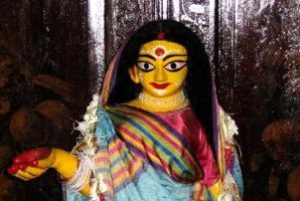
This paper critically examines Prāṇadā devī dāsī’s Rishikas & Vaishnavis: Women as Gurus, focusing on her claim that female dīkṣā-gurus in Gauḍīya Vaiṣṇava history were sādhakas rather than eternally liberated associates. Through textual analysis of sources such as Prema-vilāsa, Gaura-gaṇoddeśa-dīpikā, and Karṇānanda, the study finds that eleven of the fourteen cited women were siddhas, six of them nitya-siddhas, while the remaining cases lack sufficient evidence. The paper concludes that Prāṇadā’s argument is unsupported, as the historical record overwhelmingly portrays these Vaiṣṇavīs as perfected souls, not sādhakas, and stresses that doctrinal validation, not precedent, must establish eligibility for guru roles.
Pramanas for Deputing Ritviks

These śāstra vidhis (regulations) are very important, because they specify that the use of ritviks is only in the case of a departed guru who is unable to complete the initiation or sacrifice started. New proceedings on behalf of a departed ācārya may not be conducted by ritviks. To interpret this as extending to not merely completion but the performance of new proceedings has the fault of ativyāpti, an overly broad application of a rule or definition, including things that are not supposed to be included.

Presentations from the ISKCON India Scholars Board to Maharaja Dibyasingh Deb and Scholars of the Jagannatha Shreemandira on the question of allowable dates for celebrating the Jagannatha Ratha-yatra

These presentations were made by members of the ISKCON India Scholars Board (IISB) before Gajapati Maharaja Dibyasingh Deb, Dr. Aravind Padhee, Chief Administrator of the Shri Jagannatha Temple Administration (SJTA), and scholars representing the SJTA on 20th March 2025 in Bhubaneswar, India, on the occasion of a discussion between IISB and SJTA scholars. The presentations are made available both in English and Oriya.
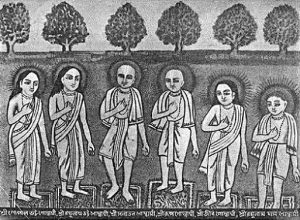
The Six Goswamis of Vrindavan

Hari-bhakti-vilāsa 15.442 with Dig-darśinī-ṭīkā

TRANSLATION: "The Holy Name of the Lord that one has received personally (through dikṣā) should be chanted by putting it in fourth case (caturthi vibhakti), prefixed by oṁ (praṇava), and suffixed by namaḥ. The mantra that is thus formed should be used by all the dvijas to worship the Lord. Women and śūdras (should worship the Lord) without mantra (mantra-vivarjitāḥ)." COMMENTARY [Dig-darśinī commentary of Sanātana Gosvāmī] Mantras to be used in the worship (pūjā) of Śrī Vāsudeva etc. are being explained in this verse that starts with the words "sva-nāmabhiḥ..." The implementation (of mantra) here is as follows: oṁ vāsudevāya namaḥ. The word mantravivarjitāḥ (without the mantra) here means without the praṇava (oṁ)—which means these mantras should be uttered by them without uttering the praṇava (oṁ). Although not specifically described here, the detailed description of this worship's krama (sequence of different accesories) and vidhi (procedure and statements injuncting its procedure) will be described later in this book by referring to various texts from several Purāṇas and according to sampradāya. (Click Read More for Sanskrit, word-for-word synonyms, and notes.)