A Brief Analysis of Prāṇadā devī dāsī’s book Rishikas & Vaishnavis: Women as Gurus

A Brief Analysis of Prāṇadā devī dāsī’s book Rishikas & Vaishnavis: Women as Gurus

This paper critically examines Prāṇadā devī dāsī’s Rishikas & Vaishnavis: Women as Gurus, focusing on her claim that female dīkṣā-gurus in Gauḍīya Vaiṣṇava history were sādhakas rather than eternally liberated associates. Through textual analysis of sources such as Prema-vilāsa, Gaura-gaṇoddeśa-dīpikā, and Karṇānanda, the study finds that eleven of the fourteen cited women were siddhas, six of them nitya-siddhas, while the remaining cases lack sufficient evidence. The paper concludes that Prāṇadā’s argument is unsupported, as the historical record overwhelmingly portrays these Vaiṣṇavīs as perfected souls, not sādhakas, and stresses that doctrinal validation, not precedent, must establish eligibility for guru roles.

ISKCON on a Mission Drift: Further Thoughts

ISKCON on a Mission Drift: Further Thoughts

During Srila Prabhupada’s physical presence with us, not only did he not appoint women to leadership positions like Temple Presidents, BBT Trustees, Property Trustees, Regional Secretaries, GBCs, and at the end Ritviks whom he expected to become regular Gurus after his physical departure, but he also quoted from sastra against such leadership appointments and reiterated again and again the subordinate and dependent role and position of women within society.

Official statement concerning a video by H.H. Bhakti Vikasa Swami hosted by the IISB

This response addresses certain claims made in an email dated 22 February 2026 from Her Grace Urmila devi dasi, Chairperson of the Shastric Advisory Council. Her message, directed to the GBC Executive Committee, concerns statements by His Holiness Bhakti Vikasa Swami Maharaja in a video posted on the ISKCON India Scholars Board YouTube channel, which I and others oversee. The email has also circulated in other forums and has recently come to my attention.
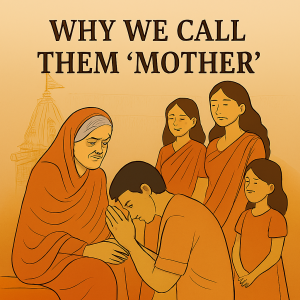
Why We Call Them ‘Mother’

Why We Call Them ‘Mother’

In Vedic culture, every woman—except one’s own wife—is to be addressed with reverence as “Mother.” This article explores scriptural mandates from Śruti, Smṛti, and Purāṇas, showing how terms like Mātā, Bhaginī, and Putrī reflect a mood of motherhood. Śrīla Prabhupāda upheld this etiquette, using “Mother” as a spiritual safeguard, while occasional linguistic adjustments were strategic, not normative. The article cautions against imitating the Mahā-bhāgavata and emphasizes adherence to Vedic grammar and Varṇāśrama principles to preserve Vaiṣṇava purity and protect spiritual dignity.

On Vaiṣṇavī Dīkṣā-gurus – Part 2

Hare Kṛṣṇa. Some years back, I did a lengthy presentation on the topic of Vaiṣṇavī-dīkṣā-guru: should Vaiṣṇavīs become initiating gurus in ISKCON? Now, if you've not watched it, I recommend that you do so, and it is linked in the description. This presentation is on the same topic, but it's focused on one simple point, which is: if Prabhupāda did not establish Vaiṣṇavī-dīkṣā-gurus, the GBC should not do so. Vaiṣṇavīs should not initiate in ISKCON.